

기후위기는 더 이상 먼 미래의 경고가 아니다. 탄소중립은 피할 수 없는 시대적 과제이자, 국가와 기업이 직면한 현실적인 문제라는 게 각국의 중론이다.
기후 대응의 핵심은 두 가지다. 직접 배출을 줄이거나, 검증된 프로젝트를 통해 상쇄하는 것이다. 지금까지는 감축 중심 패러다임이 강조돼 왔으나, 높아진 감축 목표를 충족하기 위해 상쇄를 포함한 ‘탄소 시장’이라는 새로운 동력이 필요하다. 주식처럼 탄소를 사고파는 형태로 시장을 활성화하는 것이다. 이는 유럽, 미국 등을 중심으로 자발적 탄소시장(VCM)이 빠르게 성장하는 이유이기도 하다.
한국에서도 제30차 유엔기후변화협약(UNFCCC) 당사국총회(COP30)을 계기로 ‘유료 배출권’ 도입과 배출권거래제(ETS) 혁신 논의가 본격화되고 있다. 그간 배출권거래제는 탄소 시장의 불균형, 즉 ‘억눌린 탄소 시장 가격’으로 인해 감축 기술 개발의 유인이 충분하지 않다는 비판이 제기돼 왔다.
탄소 시장의 전제는 신뢰다. 프로젝트가 실제로 감축에 기여했는지를 ‘검증’하는 것이다. 이는 그린워싱을 막는 마지막 관문으로 통한다. 이를 책임지는 글로벌 인증·표준 기관은 크게 네 곳(골드스탠더드·베라·GCC·ACR)이다. 특히 카타르에 본부를 둔 글로벌탄소위원회(GCC)는 글로벌 사우스(Global South) 유일의 탄소 인증 프로그램을 가지고 있다.
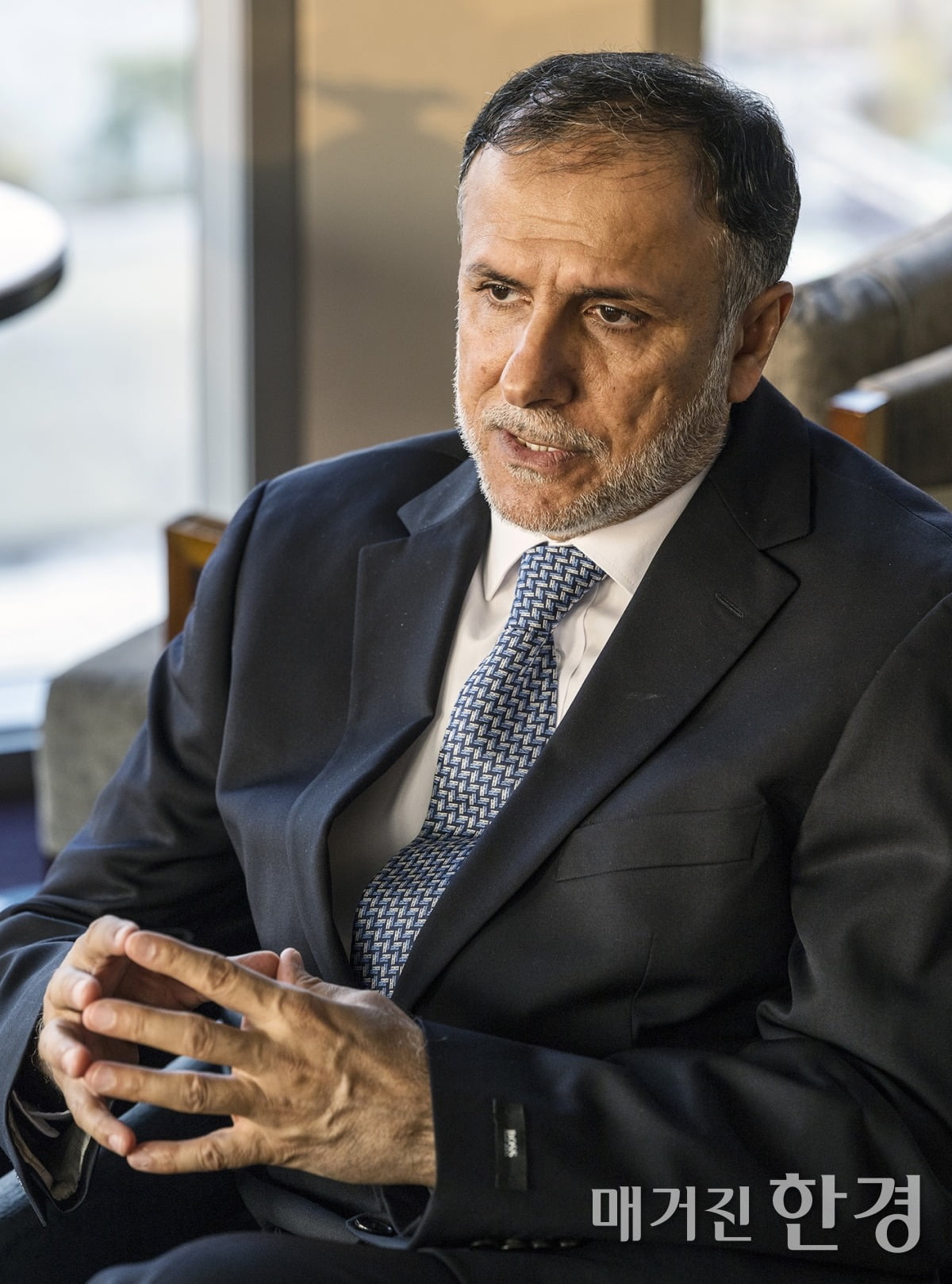
GCC를 설립한 유세프 모하메드 알호르 회장은 전 카타르대 공학 교수이자 2022 국제축구연맹(FIFA) 월드컵 개최국의 지속가능성 프레임워크를 총괄 개발한 주역이다. 유세프 회장과 GCC는 전 세계 탄소시장의 전환을 이끌고 있다.
지난 10월 29일, ‘2025 아시아태평양경제협력체(APEC) 정상회의’ 기간에 방한한 유세프 회장을 한경머니가 단독으로 만났다. 인터뷰는 산림청과 자연 기반 솔루션(NBS) 관련 업무협약(MOU)을 체결한 후 진행됐다.
- 산림청과 이번 협력이 한국의 산림 및 생태계 기반 프로젝트 확장과 글로벌 탄소 거래에 어떤 영향을 미칠 것으로 보십니까.
“상호 협력은 양측 모두에게 큰 도움이 될 것이라고 생각합니다. 이번 협력이 하나의 플랫폼으로 기능하면서, 양쪽의 우수한 전문가들이 함께 참여하는 프로젝트로 이어질 수 있다는 점에서 의미가 큽니다. 특히 자연 기반 솔루션(NBS) 개발은 한국에서 매우 중요한 과제입니다. 한국은 국토의 약 60%가 산림인 나라인 만큼, 산림을 기반으로 한 새로운 방법론 개발과 이를 통한 탄소 시장 진입을 모색할 필요가 있습니다. 고품질의 탄소를 생산하고 이를 국제사회에 투명하게 공개하기 위해서는 명확한 기준과 품격을 갖춰야 합니다. 이를 위해 민간 부문, 공공 부문, 그리고 제3자 검증 기관(VVB)까지 모두 참여하는 역량 강화가 매우 중요합니다. 온라인과 오프라인을 아우르는 교육 프로그램, 역량 구축 과정 등을 함께 마련하는 것이 필수적입니다. 이번 MOU가 그러한 플랫폼 구축의 출발점이 될 것이라고 봅니다. 탄소 시장은 2050년 넷제로 달성을 위한 핵심 요소이며, 이를 위해서는 견고한 ‘카본 인프라스트럭처(Carbon Infrastructure)’가 제대로 작동해야 합니다. 한국은 매우 높은 국가온실가스감축목표(NDC)를 세우고 있는 만큼 다양한 방식을 적극 활용할 필요가 있습니다. 한 국가의 감축 노력만으로는 목표 달성이 쉽지 않기 때문에, 탄소 시장은 NDC를 달성하기 위한 매우 중요한 발판이 될 것입니다.”
- 회장님은 카타르대 공대 교수와 부총장을 역임하셨습니다. 이후 중동·북아프리카(MENA) 지역에서 지속가능성을 촉진하는 비영리 연구개발(R&D) 기관인
GORD(Gulf Organization for Research and Development), 그리고 GCC를 설립한 점이 인상적인데요. 탄소 분야에 관여하게 된 계기는 무엇입니까.
“교수로 재직하며 학생들을 가르치다 보니, 자연스럽게 미래 세대에 대한 고민이 깊어졌습니다. 지속가능성이란 현재 우리가 누리는 자원과 환경을 미래 세대도 동일하게 누릴 수 있어야 한다는 의미인데, 그러기 위해서는 지금 세대가 행동하고 투자해야 한다고 생각합니다. 특히 기후변화는 단일 해법이 아닌 여러 노력이 결합된 복합 솔루션으로 풀어야 합니다. 다양한 정책적·기술적 시도가 함께 이뤄져야 하고, 이런 과정에는 지속적인 투자가 필요합니다. 저는 그 투자 공백을 메울 수 있는 수단이 바로 ‘탄소 인센티브 제도’라고 판단했습니다. 카타르는 중장기 개발 계획인 ‘카타르 국가 비전 2030’을 매우 높은 수준에서 제시하고 있으며, 네 가지 주요 필라 중 하나가 ‘환경’일 만큼 환경보호를 중요한 국가 전략으로 두고 있습니다. 파리기후변화협정 이행을 우선 지원하겠다고 밝힌 데 이어, 유엔 산하 국제민간항공기구(ICAO)의 항공기 탄소 배출 규제인 코르시아(CORSIA: 국제항공 탄소 감축 및 상쇄 제도)에서도 핵심 역할을 하겠다는 의지를 공식화했습니다. 또 제18차 유엔기후변화협약 당사국총회(COP18)를 개최한 경험이 있을 만큼 기후변화 대응에 대한 국가적 인식 수준이 매우 높습니다. 이러한 인식은 건설, 교통, 전력 등 산업 전반으로 확산돼 그린 빌딩, 친환경 이동 수단, 탄소포집·활용·저장(CCUS), 에너지 전환까지 폭넓게 적용되고 있습니다. 향후 2~3년 내 1.8기가와트(GW) 규모의 재생에너지 생산을 목표로 하고 있고, 여기에는 한국 기업도 참여하고 있습니다.”
- 한국도 NDC 목표를 달성해야 합니다. 탄소 시장이 이러한 목표 달성을 위한 하나의 실행 가능한 메커니즘이 될 수 있다고 하셨는데요. 한국 사회에 적용했을 때 어떤 솔루션이나 이점이 있을까요.
“여전히 화석연료에 의존하는 현실에서 2050년 넷제로는 매우 도전적인 목표입니다. 탄소중립을 이루기 위해서는 세 가지 영역이 중요하다고 생각합니다. 첫째는 교육이 중요합니다. 특정 분야만 기후변화 문제를 인식하는 게 아니라, 각 영역에서 넷제로가 왜 필요한지, 우리 사회에 어떤 이익을 주는지를 이해할 수 있도록 해야 합니다. 다양한 분야에서 잘 교육된 사람들의 연대와 협력이 목표 달성에 크게 기여할 것입니다. 둘째는 경제적 실행 가능성입니다. 탄소중립이 결국 경제에도 도움이 되고, 우리가 누리고 있는 혜택을 지속적으로 이어갈 수 있다는 확신이 있어야 합니다. 그렇지 않다면 ‘왜 우리가 이 일을 해야 하느냐’는 의문이 생길 수밖에 없기 때문입니다. 이런 관점에서 탄소중립은 미래 세대를 위한 혁신적 솔루션을 만들어낼 새로운 기회가 될 수도 있습니다. 최근 인공지능(AI), 사물인터넷(IoT)과 같은 기술들이 이러한 새로운 영역을 여는 데 큰 도움이 되고 있습니다. 셋째는 기후변화로 인한 환경 영향입니다. 지금은 모든 사람이 기후변화의 영향을 체감하고 있는 상황이고, 솔루션의 필요성을 인식하게 된 점이 중요한 추진력이라고 생각합니다. 특히 한국의 경우, 국내에서만 탄소 감축을 추진한다면 기업들에 상당한 경제적 부담으로 다가올 수 있습니다. 그러나 탄소 인센티브 제도와 탄소 시장을 적극 활용하면 해외 프로젝트 지원을 통해 감축하는 또 다른 기회가 열립니다. 탄소 가격이 정상화되고 시장이 활성화된다면, 마치 주식 시장처럼 파급 효과가 확대되고 넓어질 겁니다.”

- GCC의 핵심 미션, 그리고 장기적인 비전에 대해 설명해주시겠습니까.
“GCC의 시작은 2012년 COP18을 유치하면서부터였습니다. 당시 청정개발체제(CDM) 사업, 즉 파리기후변화협정의 전신이 되는 교토의정서에 따른 탄소 감축 사업이 중동 지역에서 제한적으로 진행되고 있는 것을 보면서 ‘지속가능성과 기후변화 대응을 위한 탄소 저감 사업이 왜 부진한가’에 대한 깊은 고민을 하게 됐습니다. 결론은, 글로벌 기준으로 설계된 메커니즘은 로컬 기반의 다양한 적용에 한계가 있다는 것이었습니다. 지역 내 활동을 지원할 수 있는 플랫폼이 필요하다고 판단했고, GCC가 탄생하게 됐습니다. 특히 석유화학 의존도가 높은 중동 경제 구조에서 경제적 효과와 환경적 목표를 동시에 달성해야 한다는 판단이 중요한 출발점이 됐습니다. 특히 중동 지역은 항공 의존도가 높기 때문에, 항공 분야의 탄소 감축을 주도하는 코르시아 프로그램에 참여하는 것을 목표로 삼았습니다. 코르시아는 특히 가장 높은 품질의 탄소만을 요구하고 있어, 탄소 시장에서의 위상이 큽니다. 이를 위해 약 1년 반 동안 심층 실사를 진행했고, 이를 통해 GCC의 가치와 국제적 검증 가능성을 확인하며 자신감을 얻었습니다. GCC가 전 세계에서 단 네 곳만 인정받은 코르시아 페이즈 1(Phase 1) 완전 적격(Full Eligibility) 기관이 되면서 국제적 신뢰를 확보하고, 수백 개의 프로젝트가 동시에 진행됐습니다. 현재 GCC는 50개국에서 약 1600여 개 사업을 추진하고 있습니다. 단순히 중동과 아프리카에 국한되지 않고, 미국과 중국, 라틴아메리카 등 글로벌로 확장되고 있습니다. 각 지역의 문화와 언어를 이해하면서도 국제적으로 높은 기준을 충족하는 유일한 스탠더드로 인정받기를 바랍니다. 현재 GCC 구성원들은 약 30개국 출신의 직원들로 이루어져 있어, 이러한 다양성이 글로벌 관점을 넓히는 데 큰 강점이 되고 있습니다. 기관 운영에서도 세 가지의 강력한 거버넌스 구조를 갖추고 있습니다. ‘Advisory Board’, ‘Regulatory Board’, ‘Steering Committee’로 구성된 외부 전문가 그룹이 있으며, 이들과 함께 정기적으로 깊이 있는 논의를 통해 프로그램의 품질과 기준을 유지하고 있습니다.”
- 그간 수행한 많은 프로젝트 가운데 가장 큰 성과를 공유할 수 있을까요.
“지난 15년간 교토 메커니즘하에서 아랍 지역에서 승인받아 추진된 프로젝트는 단 19개에 불과했습니다. 그러나 지난 5년간 GCC가 활동하면서 현재 20개가 넘는 프로젝트가 아랍 지역에서 등록돼 배출권을 만들어내고, 전 세계 온실가스 감축에 기여하고 있습니다. 즉, 지난 15년간 프로젝트 수를 단 5년 만에 넘어선 셈입니다. 또한 글로벌 사우스 국가 간 협력을 촉진하는 역할도 수행하고 있습니다. GCC는 독립 카본 레지스트리(GCC 2.0)를 통해 자체적으로 탄소 크레디트를 등록·관리하며, 세계 3대 신용평가사인 스탠더드앤드푸어스(S&P) 글로벌 연계로 투명성을 확보하고 있습니다. 독립적이고 신뢰할 수 있는 기관으로서 코르시아와 같은 고품질의 탄소 크레디트, 또한 파리협정 6조 2항(국가 간 자발적 국제감축 협력사업의 추가 지침)에 기반한 탄소 크레디트를 생산할 수 있는 스탠더드로서 자리 잡았습니다. 이를 통해 싱가포르, 인도네시아, 이집트, 일부 아프리카 국가 등 글로벌 사우스 지역이 탄소 크레디트를 매개로 네트워크를 형성하고 있습니다. Xpansiv(일본·싱가포르 연동 글로벌 탄소거래소), GCC 배출권의 싱가포르 탄소세(Tax) 연동, 이집트증권거래소 연결 등 국제 거래 플랫폼과의 연계도 빠르게 확대되고 있습니다. 만약 한국이나 특정 국가가 글로벌 사우스에서 고품질 탄소를 확보해 국내 온실가스 감축 목표를 달성하고자 한다면, 이를 활용할 수 있습니다. 현재는 글로벌 사우스에 국한되지 않고, 전 세계 50여 개 회원국에서 프로젝트를 등록하고 있으며 유럽에서도 활발하게 참여하는 중입니다. 최근 추진한 기술 중심 프로젝트 중 하나는 오만 사막 지역에서 진행됐습니다. 오만 사막 지역에서는 생산수(produced water)의 심부 주입에 필요한 고강도 에너지 사용을 회피하고, 첨단 정수 시스템을 도입해 상당한 감축 효과를 달성한 프로젝트를 인증한 바 있습니다. 이러한 창의적인 접근은 탄소 시장이라는 플랫폼 덕분에 가능했으며, 기술 도입을 통한 실질적 감축 성과와 새로운 기여를 만들어냈습니다. 또한 위성영상, IoT, AI 등 혁신적 기술의 도입 역시 탄소 시장이 있었기에 가능했습니다. 탄소 시장은 단순한 거래 플랫폼을 넘어, 새로운 기술과 솔루션을 현실화하고, 그 효과를 글로벌로 확산시키는 역할을 하고 있다는 점에서 긍정적인 임팩트를 만들어내고 있습니다.”
- 다른 금융, 탄소 관련 표준과 비교했을 때 GCC가 글로벌 시장에서 빠르게 성장할 수 있었던 가장 중요한 특징과 차별화 포인트는 무엇이라고 생각하시나요.
“첫째는 GCC가 제공하는 혁신적 솔루션, ‘탄소 시장 인프라(Carbon Market Infrastructure·CMI)’입니다. 이 솔루션은 세 가지 모듈로 구성돼 있으며, 각국의 탄소 시장 활성화와 프로젝트 관리를 지원합니다. 탄소 인증 포털(Carbon Certification Portal)과 파리협정 6.2조를 추진하기 위해서는 국가 탄소 레지스트리(National Carbon Registry)를 갖춰야 합니다. 유엔이 이를 통해서만 탄소 크레디트를 거래할 수 있도록 정해 놓았기 때문입니다. 그런데 이를 구축할 수 있는 국가는 많지 않습니다. GCC는 이러한 국가들에 곧바로 활용 가능한 내셔널 레지스트리를 제공하고, 이를 기반으로 맞춤형 솔루션을 제공합니다. 이미 4개 국가가 CMI 채택 의사를 밝혔습니다. 국가 차원의 목표 달성뿐 아니라 민간 부문에서도 활용 가능하도록 설계돼 있습니다. 둘째는 세계은행(WB)과의 협력입니다. 세계은행이 야심 차게 추진하는 아센트 프로그램(World Bank ASECNT Program)은 2030년까지 동부 및 남부 아프리카 지역에서 1억 명에게 전기를 공급하고 2000만 명에게 청정 조리 솔루션을 제공함으로써 지속 가능하고 청정한 에너지 접근성을 가속화하는 것을 목표로 합니다. 세계은행은 동부·남부 아프리카 전역에서 청정에너지 보급을 위한 탄소금융을 확대하기 위해 설계된 전용 디지털 플랫폼인 아센트 에너지 접근 표준 포털(ASCENT Energy Access Standard Portal)의 설계와 이행을 주도할 기관으로 GCC를 선정했습니다. 셋째는 대규모 프로젝트를 위한 방법론 개발입니다. GCC는 단순히 지리적 규모뿐 아니라 시간적 확장성까지 고려한 혁신적 방법론을 개발했습니다. 특히 최근 각광받는 CCS 분야에서 전 세계적으로 인정받은 방법론이 단 두 개뿐인데, 그중 하나가 GCC의 것입니다. 이러한 프로젝트들은 50~100년에 걸쳐 수백만 톤의 배출권을 창출할 수 있으며, NBS 프로젝트 역시 유사한 규모의 배출권을 생성할 수 있습니다. 이와 같은 이니셔티브들은 GCC만의 가장 큰 차별화 요소 중 하나입니다.”
- 한국 시장, 특히 기술 중심의 탄소 감축 역량에 대해 어떻게 평가하십니까. 또한 한국 기업들이 중동 지역으로 진출하는 과정에서, GCC와의 협력 가능성이 있는 분야는 무엇이라고 생각하시는지 궁금합니다.
“한국 기업들은 글로벌 비즈니스를 하기 때문에, 해외 규제까지 함께 고려해야 하는 상황입니다. 그래서 대기업을 중심으로 탄소 감축에 대한 요구가 상당히 크고, 많은 기업들이 이미 감축 목표를 선언한 상태입니다. 즉, 기업들의 수요가 한국 내 탄소 시장을 활성화할 것입니다. 항공 산업으로 보면 한국은 글로벌 이동 수요가 많은 국가로, 수출과 관광 측면에서도 항공이 중요한 역할을 합니다. 그런데 ICAO가 발표한 기준에 따르면 2029년까지 약 2억5000만 톤의 탄소 크레디트가 필요할 전망입니다. 한국은 주요 산업 분야에서 가치사슬 전반이 해외에 구축돼 있기 때문에, 내부 감축만으로 목표를 달성하기 어렵습니다. 만약 국내에서 충분한 크레디트를 찾지 못하면, 해외에서 확보하려고 할 것입니다. 결국 이 문제를 해결할 수 있는 현실적인 수단은 탄소 시장 활용입니다. 50% 이상의 국가가 탄소 시장을 NDC 달성을 위한 중요한 도구 중 하나로 보고 있습니다. 한국 기업과 정부 입장에서 탄소 시장은 리스크이기도 하지만 동시에 새로운 기회가 될 수 있습니다. 이런 환경에서 GCC와의 협력은 매우 의미 있는 역할을 할 것으로 기대됩니다.”
- 이번 제30차 유엔기후변화협약 당사국총회(COP30)에 GCC도 참여한다고 들었습니다. COP30을 통해 전달하고 싶은 메시지는 무엇입니까.
“기후변화 대응은 결코 물러설 수 없는 과제이며, 미래 세대가 건강하고 안전하게 살아갈 수 있는 터전을 물려주기 위해서는 지속적인 목표 설정과 흔들림 없는 노력이 필요합니다. GCC는 이러한 노력의 일환으로, 탄소 시장에 대한 더욱 활발한 논의가 이어지기를 기대하고 있습니다. 특히 한국이 관심을 두고 있는 글로벌 자발적 탄소 메커니즘(GVCM)과 관련해, GCC는 신뢰할 수 있는 국제 스탠더드의 적용, 범용적이고 투명한 기술 플랫폼의 활용, 그리고 NBS·CCUS 등 자연 기반 및 기술 기반의 다양한 탄소 저감 시도를 적극 지원하고자 합니다. 아울러 위성영상 및 AI 기술을 활용한 고품질 탄소배출권 생산, 그리고 국제사회의 신뢰를 강화하기 위한 노력도 지속해 나갈 것입니다. 또한 누구도 뒤처지지 않고 탄소 시장을 온실가스 감축의 핵심 매개체로 활용할 수 있도록 CMI를 제공하는 것은 GCC의 중요한 강점이며, GCC는 이번 UNFCCC COP30을 통해 이러한 역할을 널리 알리고자 합니다.”

Dr. Yousef Mohammed Alhorr, Founding Chairman of the Global Carbon Council (GCC)
“Carbon markets are an essential gateway on the road to net zero.”
Climate change is no longer a distant warning. Carbon neutrality has become an unavoidable national mandate—and a pressing reality for governments and businesses around the world.
At the heart of climate action lie two core approaches: reducing emissions directly, or offsetting them through verified mitigation activities. Until now, the global discourse has focused largely on reduction. But meeting increasingly ambitious climate targets requires a new engine of progress—carbon markets, which allow emissions to be traded much like financial assets. This is why voluntary carbon markets (VCMs), especially in Europe and the United States, have been expanding rapidly.
In Korea, COP30 has ignited active discussions on introducing “paid allowances” and upgrading the Emissions Trading Scheme (ETS). For years, critics have argued that low allowance prices undermine incentives for innovation in emissions-reduction technologies.
The foundation of any carbon market is trust. Verification—ensuring that emission cuts are real and measurable—is the final safeguard against greenwashing. Only four major global standards bear this responsibility: Gold Standard, Verra, GCC, and ACR. Among them, the Qatar-based Global Carbon Council (GCC) is the only carbon standard from the Global South.
A key catalyst for the transformation of carbon markets on a global level is Dr. Yousef Mohammed Alhorr, former engineering professor at Qatar University and lead developer of the sustainability framework for the FIFA World Cup Qatar 2022’s host country sustainability strategy.
Hankyung Money conducted an exclusive interview with Dr. Alhorr on October 29, during his visit to Korea for the 2025 APEC Summit. The interview took place shortly after GCC signed a Memorandum of Understanding (MOU) with the Korea Forest Service (KFS) on Nature-based Solutions (NBS).
- How will GCC’s new cooperation with the Korea Forest Service support Korea’s forest and ecosystem projects and their integration into global carbon markets?
“Both sides stand to gain substantially. This partnership can serve as a platform that brings together leading experts from Korea and the international community to collaborate on high-quality projects. Nature-based Solutions (NBS) are particularly important for Korea, a country where forests cover roughly 60% of the land. Korea should actively explore new methodologies and market entry pathways that leverage its forest assets.
To produce high-quality credits and disclose them transparently, strong standards and robust capacity are essential—across the public sector, private sector, and third-party validators (VVBs). Education, training, and online/offline capacity-building programs will be critical, and this MOU marks an important starting point for establishing such a platform. Carbon markets are a core component of achieving net zero by 2050. For Korea—with one of the world’s most ambitious NDCs—it is imperative to use every available mechanism. No country can meet its climate goals by domestic mitigation alone. Carbon markets offer an indispensable lever for achieving national targets.”
- You previously served as a professor and associate vice president at Qatar University, and went on to establish the Gulf Organisation for Research and Development (GORD) and the GCC. What led you to dedicate your career to carbon and sustainability?
“As an educator, I naturally thought a lot about future generations. Sustainability means ensuring that the resources we enjoy today are available for those who come after us. That requires today’s generation to invest and act. Climate change has no single solution. It demands a portfolio of policies, technologies, and long-term investment. I believe that carbon incentive mechanisms could fill this investment gap. Qatar’s National Vision 2030 places environmental stewardship at its core. The country has committed to implementing the Paris Agreement, and has also expressed strong leadership in ICAO’s aviation carbon-offsetting scheme, CORSIA. Qatar previously hosted COP18, and the national awareness around climate action is very high. This focus has expanded across all sectors—construction, mobility, power generation, CCUS, and energy transition. Qatar also aims to generate 1.8 GW of renewable energy within the next 2–3 years, with Korean companies already participating.”
- Korea must also meet its NDC targets. How can carbon markets support Korea’s pathway to net zero?
“Reaching net zero by 2050 is extremely challenging for any country still dependent on fossil fuels. To succeed, three pillars are crucial: First, education. Climate literacy must extend beyond environmental sectors. People need to understand why net zero matters and how society benefits. Second, economic feasibility. There must be confidence that net zero strengthens—not weakens—the economy. Otherwise, the question will always arise: ‘Why should we do this?’ Today’s climate efforts can generate the innovative solutions that future generations will rely on, especially with technologies like AI and IoT unlocking new possibilities. Third, the visible impact of climate change. People now feel its effects directly, which is itself a major driver of action. For Korea, relying solely on domestic mitigation would place a heavy burden on industry. But if carbon markets are fully utilized, companies can reduce emissions by supporting overseas projects. If carbon prices normalize and the market expands, the ripple effects will grow—much like a financial market.”
- What led to the establishment of GCC?
“GCC’s origins date back to Qatar’s hosting of COP18 in 2012. At the time, CDM projects under the Kyoto Protocol were barely progressing across the Middle East, and we asked ourselves why. The conclusion was clear: global mechanisms were not tailored to regional realities. The region needed a platform that could support local activities while meeting international standards. This became the foundation of GCC. Given the region’s dependence on petrochemicals, we needed solutions that could deliver both economic and environmental value. We also targeted leadership in CORSIA, where only the highest-quality credits are eligible. After an extensive 18-month evaluation, GCC achieved Full Eligibility for CORSIA Phase 1, one of only four programs worldwide to do so. Today, GCC supports around 1,600 projects across 50 countries, extending well beyond the Middle East and Africa into the United States, China, and Latin America. Our team includes staff from over 30 countries, giving us a uniquely global perspective.
We uphold stringent governance through three independent expert bodies—the Advisory Board, Regulatory Board, and Steering Committee—ensuring that our standards remain rigorous, transparent, and credible.”
- Among the many global projects GCC has supported, what achievements stand out most?
“Under the Kyoto mechanism, only 19 projects were approved in the Arab region over 15 years. In just the last five years, more than 20 projects have been registered under GCC in the same region—demonstrating how quickly progress can accelerate with the right platform. GCC’s independent registry system (GCC 2.0), integrated with S&P Global, ensures transparency and traceability. We certify credits eligible under CORSIA as well as those aligned with Articles 6.2 of the Paris Agreement. This has helped establish strong networks across the Global South—including Singapore, Indonesia, Egypt, and several African nations—while linking to major global trading platforms such as Xpansiv, Singapore’s carbon tax system, and the Egyptian Stock Exchange. We are also expanding into frontier technologies. In Oman’s desert region, for example, we certified a project that ga avoids use of intensive energy for deep injection of produce water and deploys advanced water-filtration systems, producing significant reductions. Technologies like satellite monitoring, IoT, and AI are now central to our digital MRV framework. Carbon markets have enabled these innovations, turning climate solutions into scalable global models.”
- What differentiates GCC from other carbon or sustainability standards?
“There are three major strengths: 1. Carbon Market Infrastructure (CMI). CMI is an innovative solution with three modules that help countries build and operate their carbon markets. For Article 6.2 implementation, every country needs a National Carbon Registry—yet most lack the capacity to develop one. GCC provides ready-to-deploy national registries and tailored solutions. Four countries have already signaled their intent to adopt CMI. 2. Partnership with the World Bank. The World Bank’s ASCENT Program aims to accelerate sustainable and clean energy access in Eastern and Southern Africa, by providing electricity to 100 million people and clean cooking solutions to 20 million by 2030. The World Bank selected GCC to lead the design and implementation of the ASCENT Energy Access Standard Portal – a dedicated digital platform designed to scale carbon finance for clean energy deployment across Eastern and Southern Africa. 3. Methodologies for large-scale, long-term projects. GCC has developed groundbreaking methodologies across both spatial and temporal scales. In the CCS sector, only two methodologies worldwide are broadly recognized—one of them developed by GCC.
These projects can generate millions of credits over 50–100 years, and similar volumes of credits can be generated by the NBS projects. These initiatives are among the GCC’s greatest differentiators.”
- How do you view Korea’s market and technological strengths? What cooperation opportunities exist between Korea and GCC, particularly in the Middle East?
“Korean companies operate globally, which means they must comply with international regulations. Many large firms have already announced ambitious climate targets, which will drive significant demand for carbon credits. In aviation—a key sector for Korea’s export-driven and tourism-oriented economy—ICAO estimates that 250 million tons of carbon credits will be needed by 2029. Because Korean supply chains are heavily internationalized, domestic mitigation alone cannot meet national targets. If companies cannot secure enough credits locally, they will inevitably look overseas. Carbon markets, therefore, are the most practical tool available. More than half of all countries now view carbon markets as essential for meeting their NDCs. For Korea’s government and private sector, carbon markets are both a risk and a major opportunity—and cooperation with GCC can play a meaningful role.”
- GCC is participating in COP30. What key messages do you hope to deliver?
“Climate action is non-negotiable. To safeguard a healthy and secure future for coming generations, we must commit to consistent ambition and unwavering effort. GCC hopes COP30 will deepen global discussions on carbon markets. For Korea—where interest in the GVCM is growing—we aim to support: the application of robust international standards, transparent and scalable digital platforms, and diverse mitigation pathways across NBS, CCUS, and emerging technologies. We will continue advancing high-quality credits through satellite imagery, AI, and other innovations, while strengthening trust across the international community. One of GCC’s greatest strengths is providing Carbon Market Infrastructure (CMI) so that no country is left behind in accessing carbon markets as a core tool for emission reduction. COP30 is an opportunity to highlight this commitment.”
이현주 기자 charis@hankyung.com·사진 이승재 기자